
All research articles
Every published article in one place. Search by title, summary or topic, or filter by topic.

20 articles

Longevity & Cellular Aging Research with Peptides
Using Epithalon-class, NAD+-related, and bioregulator peptides in cellular aging and longevity research models with proper documentation and compliance.

Building a Documentation-First Research Peptide Program
Build a bulletproof peptide documentation system. COA management, inventory tracking, audit readiness, and free templates for research labs.

Tissue-Repair Peptide Platforms: BPC & TB-500 Research Guide
Comprehensive guide to using BPC-class and TB-500-class peptides in tissue repair research: platforms, models, handling, and documentation.

Understanding Research-Use-Only (RUO) Peptides in 2026
Complete guide to RUO peptides: regulatory definitions, compliance requirements, vendor selection, and documentation best practices for research laboratories.

Endotoxin Testing for Research Peptides: LAL, rFC and COA Results
A peptide can pass HPLC and mass spectrometry and still carry bacterial endotoxin that skews cell-based results. This guide explains LAL and rFC testing, their limits, and how to read the endotoxin line on a COA.

MOTS-c Research: Mitochondrial-Derived Peptide Signaling and AMPK
MOTS-c is a 16-amino-acid peptide encoded in mitochondrial DNA. This review covers its published mechanisms, from AICAR-AMPK signaling to mitonuclear gene regulation, and what labs should document when studying it.

Peptide Stability Testing Protocol
How peptides degrade and how to design a lab stability study, from storage conditions to stability-indicating methods.

Batch Consistency in Peptide Quality
Why peptide lots differ, what to compare between batches, and how lot and serial tracking keep research reproducible.

GMP vs Research Grade Peptides: What's the Difference?
What GMP really means, what "research grade" should include, and how to spot supplier claims that do not hold up.

Peptide Research Library Frequently Asked Questions
Common questions about research peptides, RUO designation, quality standards, and laboratory use. Essential reference for researchers.

Bioregulator Peptides: Epitalon and Thymalin Research
What peptide bioregulators are, what the Epitalon and Thymalin research shows, and how to read it critically.

Growth Hormone Secretagogues in Research
The two GH-release pathways, the research peptides that target them, and what to check on the COA.
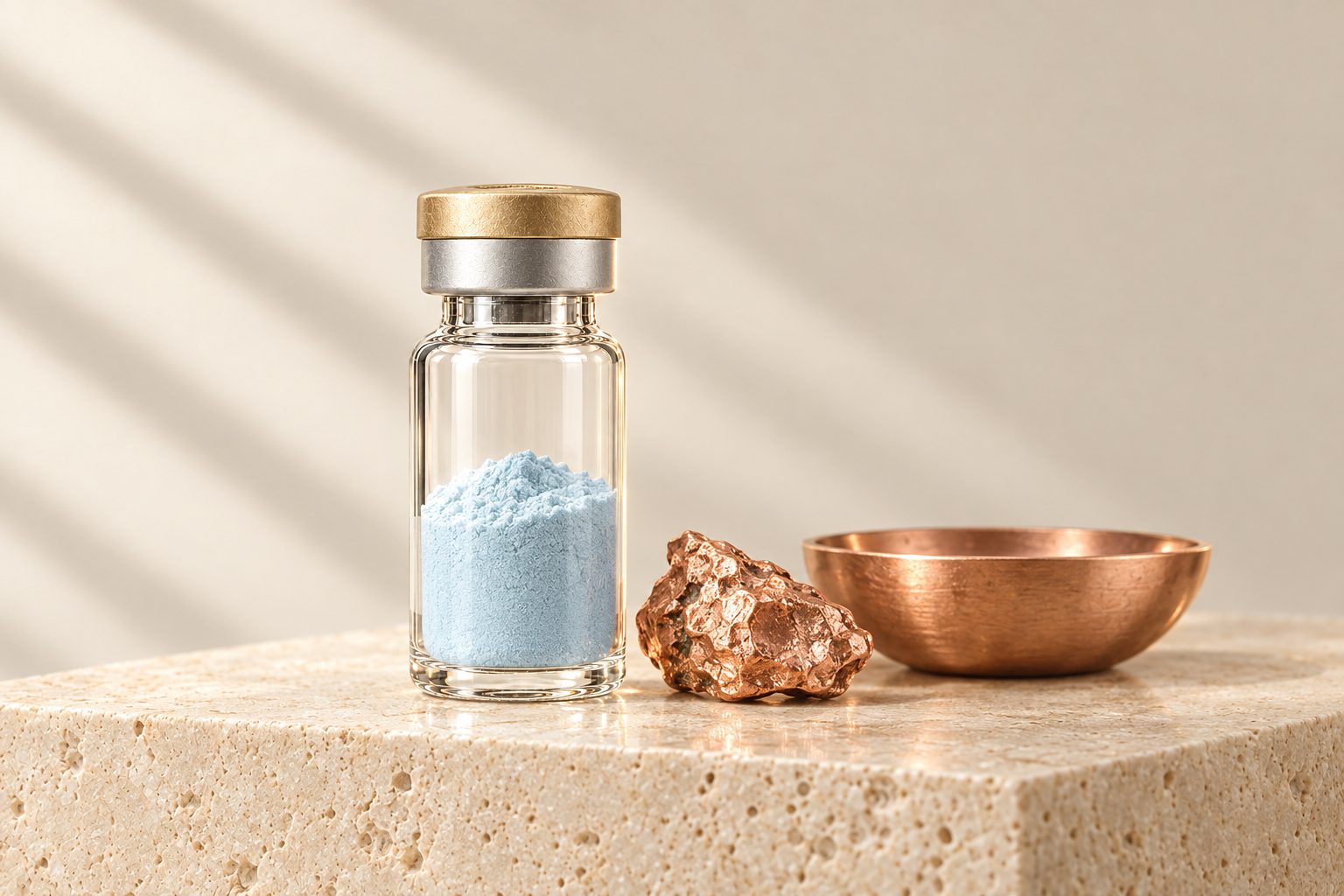
Copper Peptides: GHK-Cu Research Applications
What GHK-Cu is, the main preclinical research themes, and how to handle and verify it in the lab.

Melanocortin Pathway Peptides in Research
The five melanocortin receptors, the synthetic analogs used to study them, and what to verify when sourcing.

Internal SOPs for RUO Peptide Programs
Build compliant standard operating procedures for research peptide handling, storage, and documentation in laboratory environments.

FDA Expectations for RUO Peptide Vendors
Navigate the regulatory landscape of research peptide sales. Understand FDA guidelines, labeling requirements, and compliance strategies for RUO materials.

Recent Advances in Peptide Research Technology
A look at recent advances in peptide synthesis, purification, and analytical characterization technology shaping modern research laboratories.

Third-Party Testing: Industry Standards and Best Practices
Why independent third-party lab testing matters for RUO peptide quality assurance, and how to evaluate a supplier's certificate of analysis rigor.

Lyophilized Research Peptide Storage and Stability
Learn the science behind peptide degradation and evidence-based storage practices, from freeze-thaw cycling to lyophilized vs. reconstituted stability.

Understanding Peptide Bioavailability and Potency in Research Models
Explore how molecular size, enzymatic degradation, and delivery route affect peptide bioavailability in research models, and how researchers measure potency.