
"Research grade" and "GMP" are two of the most misused labels in the peptide market. They describe different regulatory frameworks, different documentation burdens and different intended uses. Knowing the difference helps a laboratory choose the right material for its study design and avoid suppliers that borrow pharmaceutical language they cannot back up.
What GMP Actually Means
Good Manufacturing Practice (GMP) is a regulatory system, not a purity number. For drug substances, the international reference is ICH Q7, which the FDA adopted as guidance for active pharmaceutical ingredients (FDA, Q7 Guidance). It covers the whole system around production:
- A quality unit that is independent of production and has authority to release or reject material.
- Validated processes and analytical methods, with documented change control.
- Qualified equipment, controlled facilities and trained personnel.
- Complete batch records, deviation investigations and corrective actions.
- Defined stability programs and retained reference samples.
GMP material is made for use in drug products intended for people. That is why the documentation burden, cost and lead time are much higher.
What "Research Grade" Means
Research-grade (Research Use Only, RUO) peptides are made for laboratory research: in vitro work, analytical method development and non-clinical studies. They are not drug products, and they are not for human or animal use. See Understanding Research-Use-Only (RUO) Peptides for the regulatory background.
"Research grade" is not a regulated term, so its quality depends entirely on the supplier's evidence. A credible research-grade supplier should still provide:
- Batch-specific identity confirmation (mass spectrometry).
- Batch-specific purity (HPLC) from an independent laboratory.
- A lot number that ties every vial back to its certificate of analysis (COA).
- Safety data sheets and clear RUO labeling.
Side-by-Side Comparison
| Area | GMP (drug substance) | Research grade (RUO) |
|---|---|---|
| Intended use | Human drug products | Laboratory research only |
| Governing framework | ICH Q7 / 21 CFR 210–211 | No GMP requirement; supplier quality system |
| Process validation | Required | Not required |
| Analytical methods | Validated, filed with regulators | Should be stated on the COA |
| Batch records | Full, reviewed by a quality unit | Lot traceability and COA |
| Stability data | Formal program (ICH Q1A) | Supplier storage guidance |
| Typical cost | High | Lower |
Red Flags in Supplier Language
- "GMP grade" without a facility or certificate. GMP describes how material is made and released, not a product tier. Ask which facility, which inspection and which certificate.
- "Pharmaceutical grade" on an RUO product. That suggests a drug use the product is not approved for. See FDA Expectations for RUO Peptide Vendors.
- A purity number with no method or lab. A percentage alone means little without the HPLC method and an independent laboratory behind it.
Choosing the Right Grade
For most discovery, assay development and analytical work, well-documented research-grade material is the right fit. GMP material matters when a program moves toward regulated development. Either way, documentation decides quality. Our supplier vetting checklist and the Supplier QA Checklist tool show what to request.
How Ageless Peptides Documents Each Lot
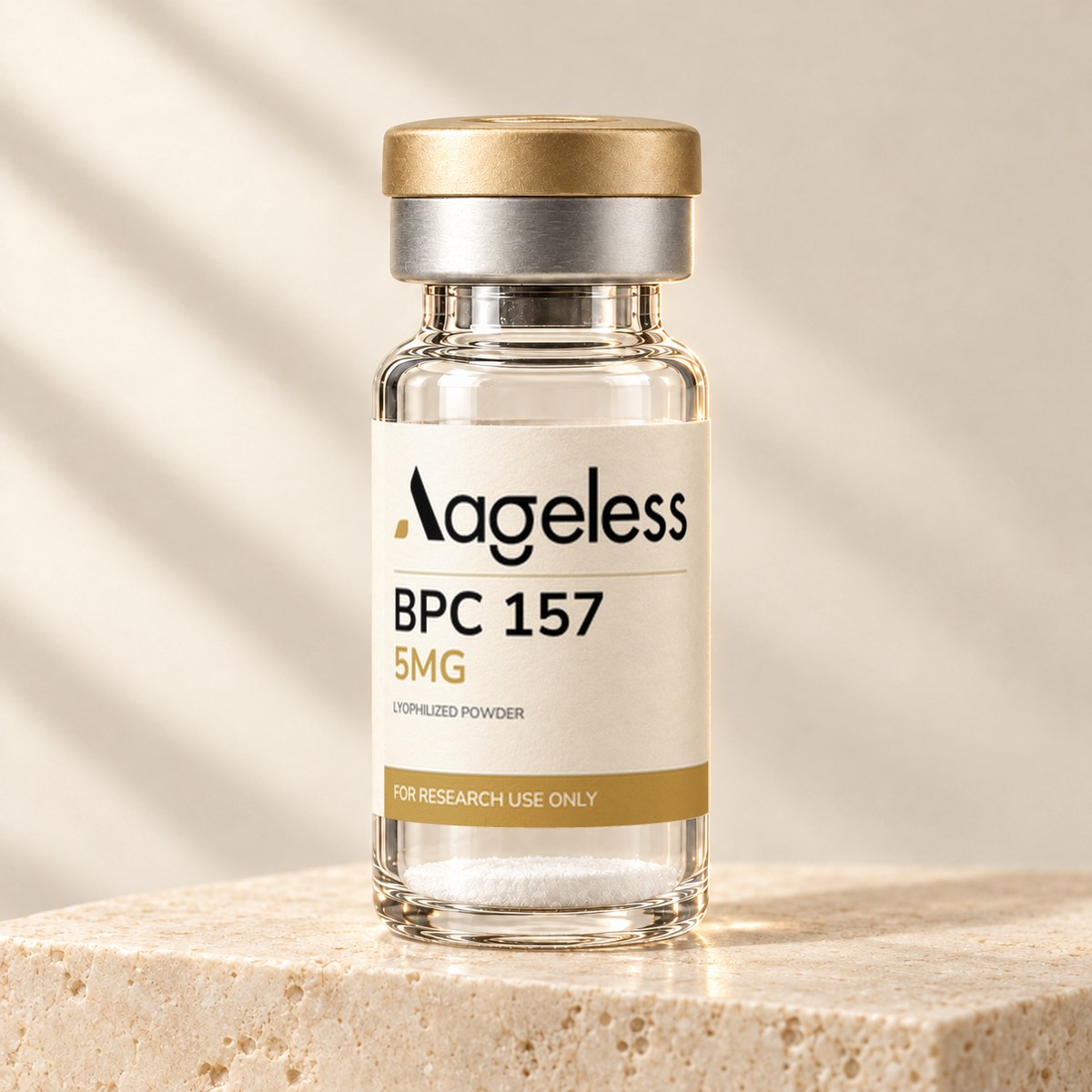
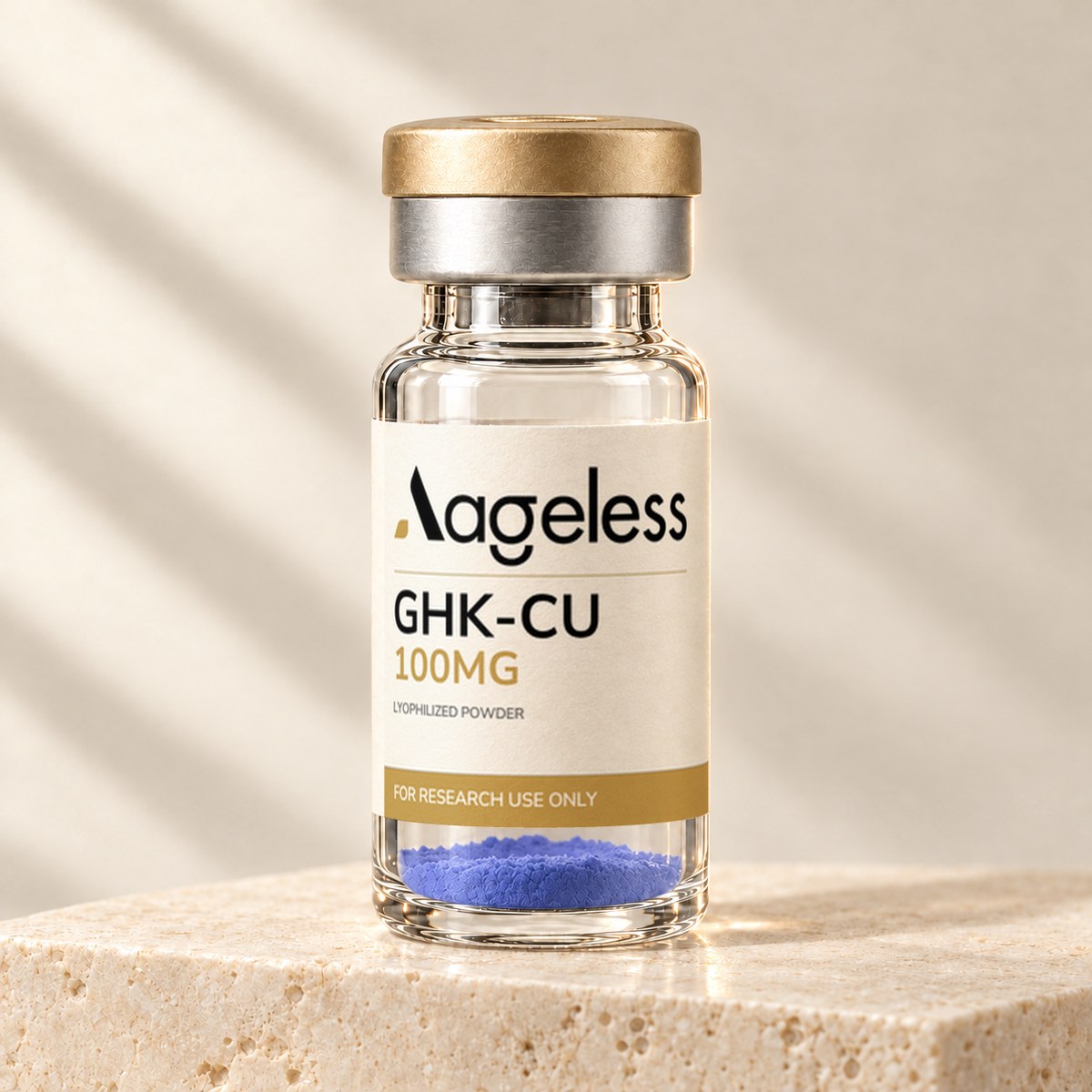
Every lot is tested by Vanguard Laboratory (Olympia, WA), an ISO/IEC 17025:2017-accredited laboratory. Each vial carries its own serial number, linked to its lot: scan the code on the label and enter the serial number to open that lot's COA. Browse the research catalog to see the COA on any product page, for example BPC-157 5mg or GHK-Cu 100mg.
Related Reading
- How to Read a Peptide Certificate of Analysis (COA)
- Third-Party Testing: Industry Standards and Best Practices
- Batch Consistency in Peptide Quality
References
- U.S. Food and Drug Administration. Q7 Good Manufacturing Practice Guidance for Active Pharmaceutical Ingredients. 2016.
- ICH. Q7 Good Manufacturing Practice Guide for Active Pharmaceutical Ingredients. 2000.
- D'Hondt M, et al. Related impurities in peptide medicines. J Pharm Biomed Anal. 2014;101:2–30.
All products sold by Ageless Peptides are for Research Use Only. Not for human or animal consumption.