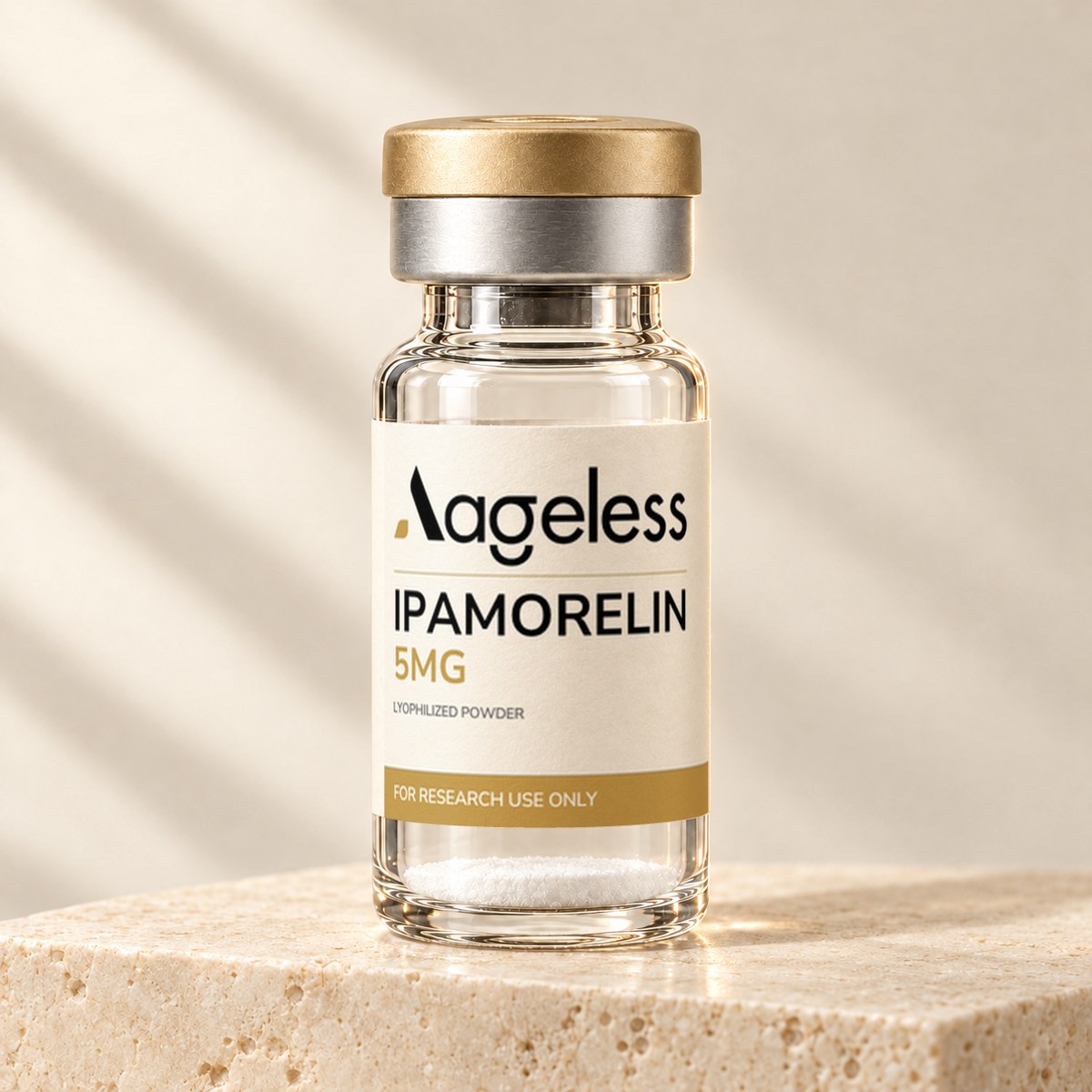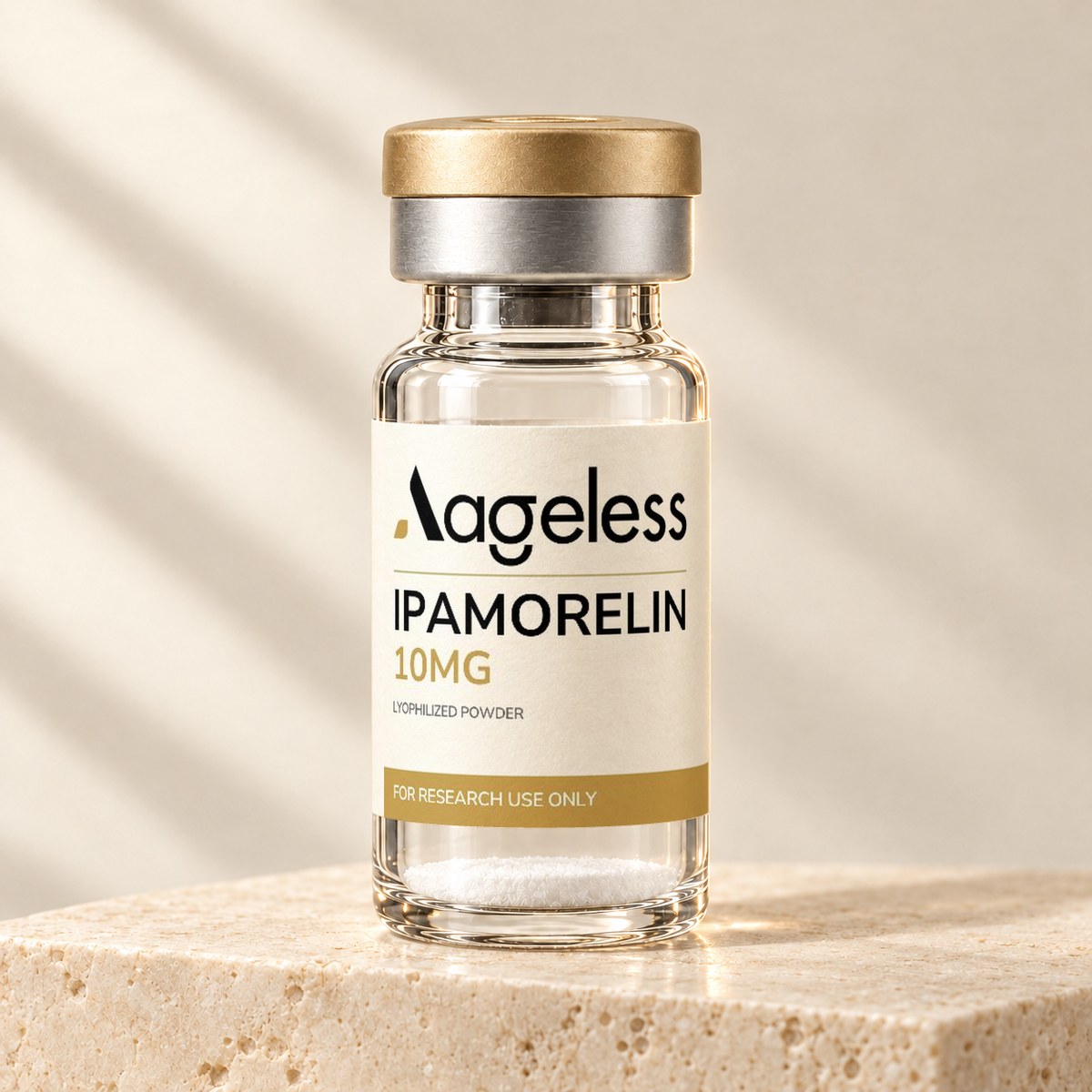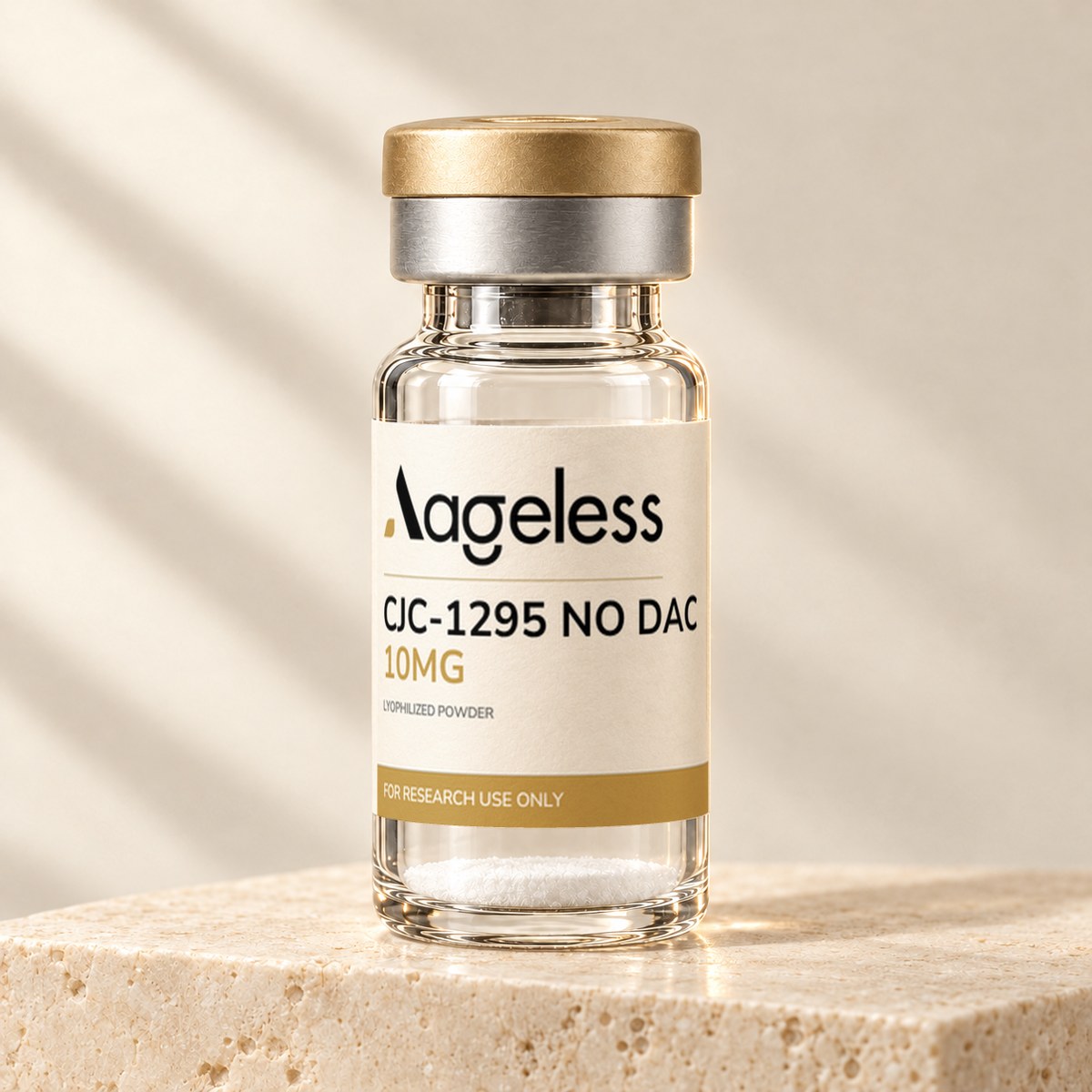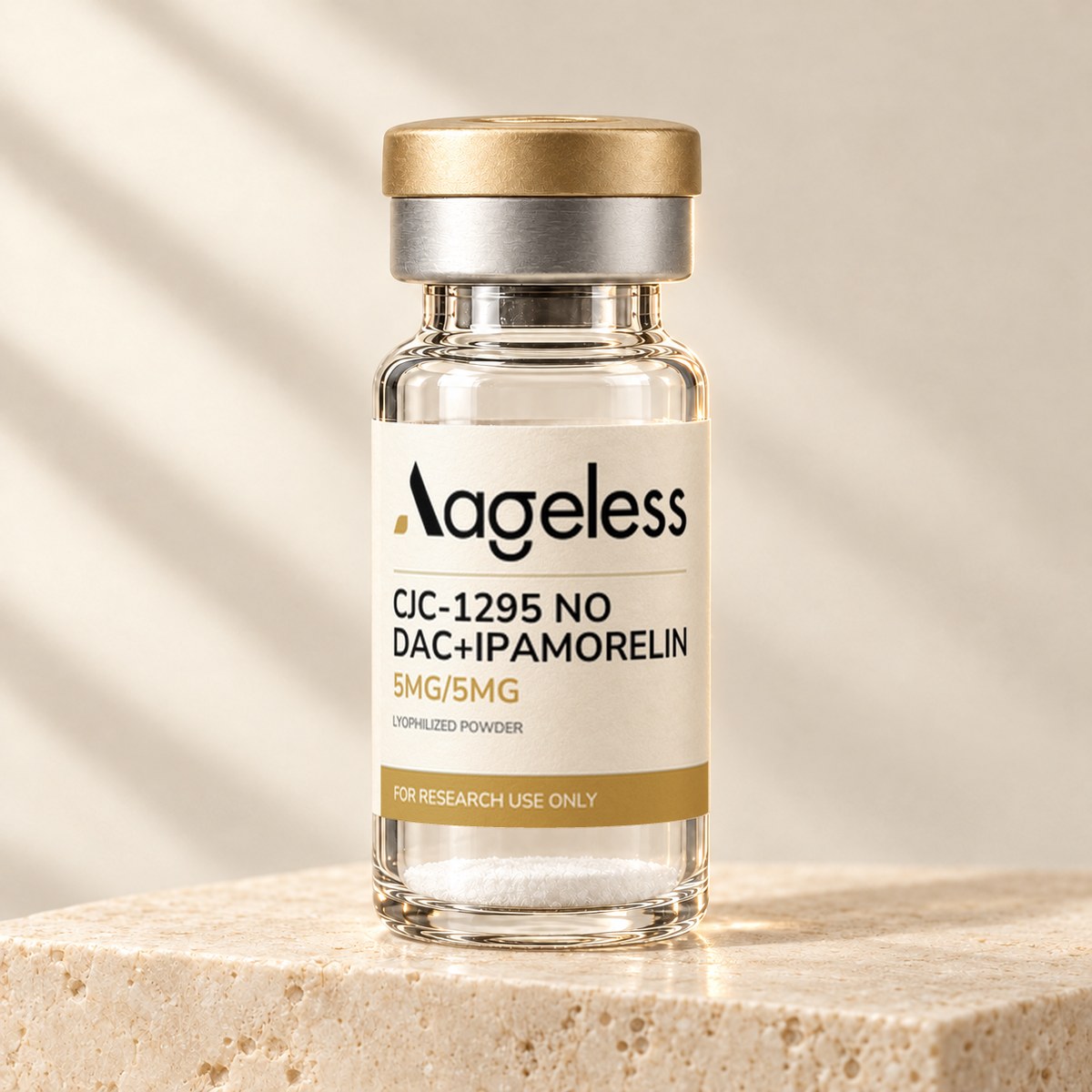


Growth hormone secretagogues are compounds that cause the pituitary gland to release growth hormone (GH). In research settings they are used to study how the GH axis is regulated: pulsatile release, receptor pharmacology and feedback through insulin-like growth factor 1 (IGF-1). This overview covers the two main receptor classes, the peptides most often studied, and what to check when sourcing them.
Two Receptor Pathways
GH release is controlled by two stimulatory signals that act on separate receptors:
| Pathway | Receptor | Natural ligand | Research peptides |
|---|---|---|---|
| GHRH pathway | GHRH receptor (GHRH-R) | Growth hormone–releasing hormone | Sermorelin, CJC-1295 (no DAC, also called Mod GRF 1-29), Tesamorelin |
| Ghrelin pathway | Growth hormone secretagogue receptor (GHS-R1a) | Ghrelin | Ipamorelin, other GHRP-class peptides |
Because the two pathways act on different receptors, studies often compare them alone and in combination to understand how the signals interact.
GHRH Analogs
The biological activity of GHRH sits in its first 29 amino acids, so most analogs are built on the GHRH(1–29) sequence with substitutions that resist enzymatic breakdown (GHRH analog review, 2024).
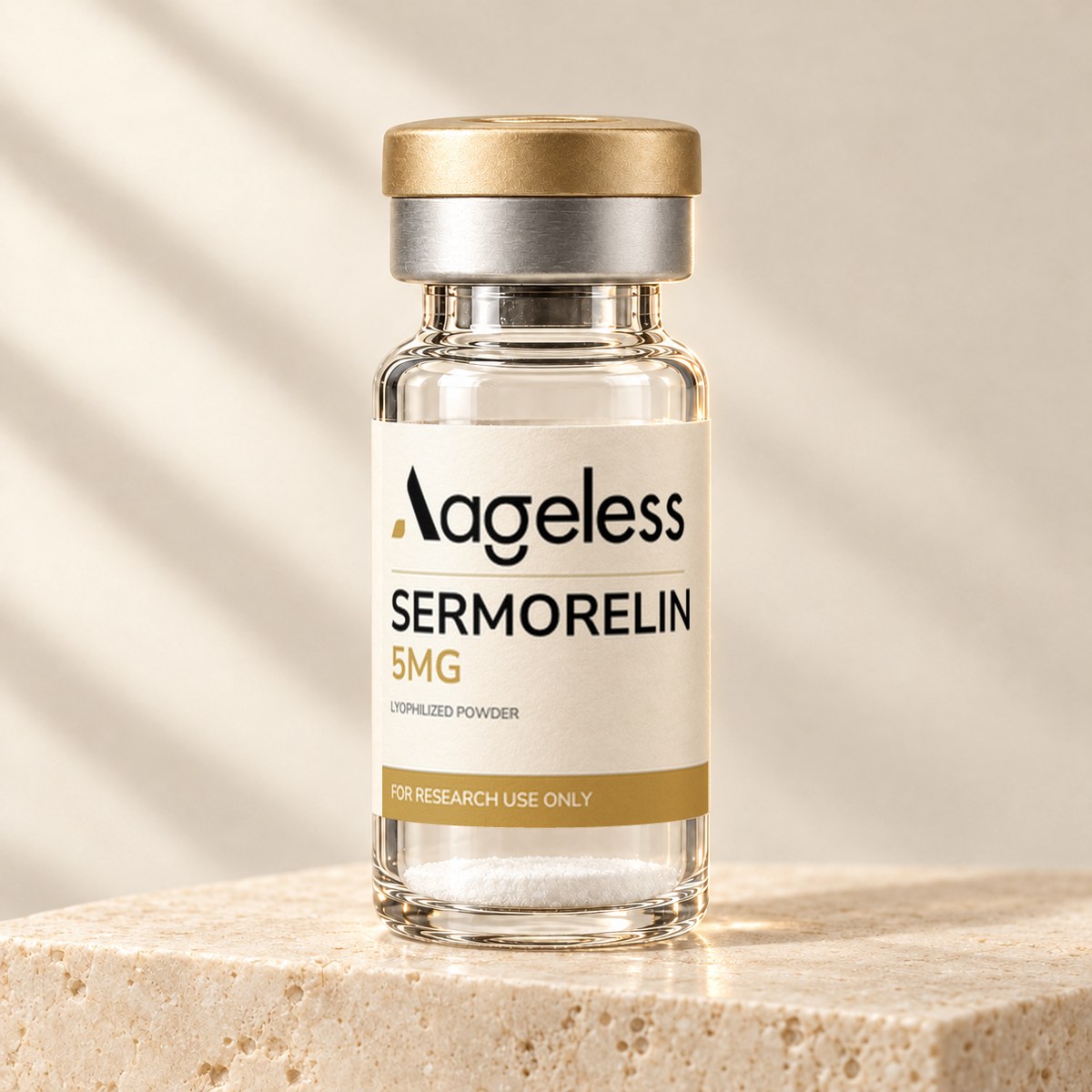
- Sermorelin is GHRH(1–29) itself, a short-acting reference compound.
- CJC-1295 (no DAC) carries four amino acid substitutions that slow enzymatic cleavage while keeping a short duration of action.
- CJC-1295 with DAC adds a drug affinity complex that binds albumin and greatly extends half-life; its pharmacology was described by Teichman et al., 2006.
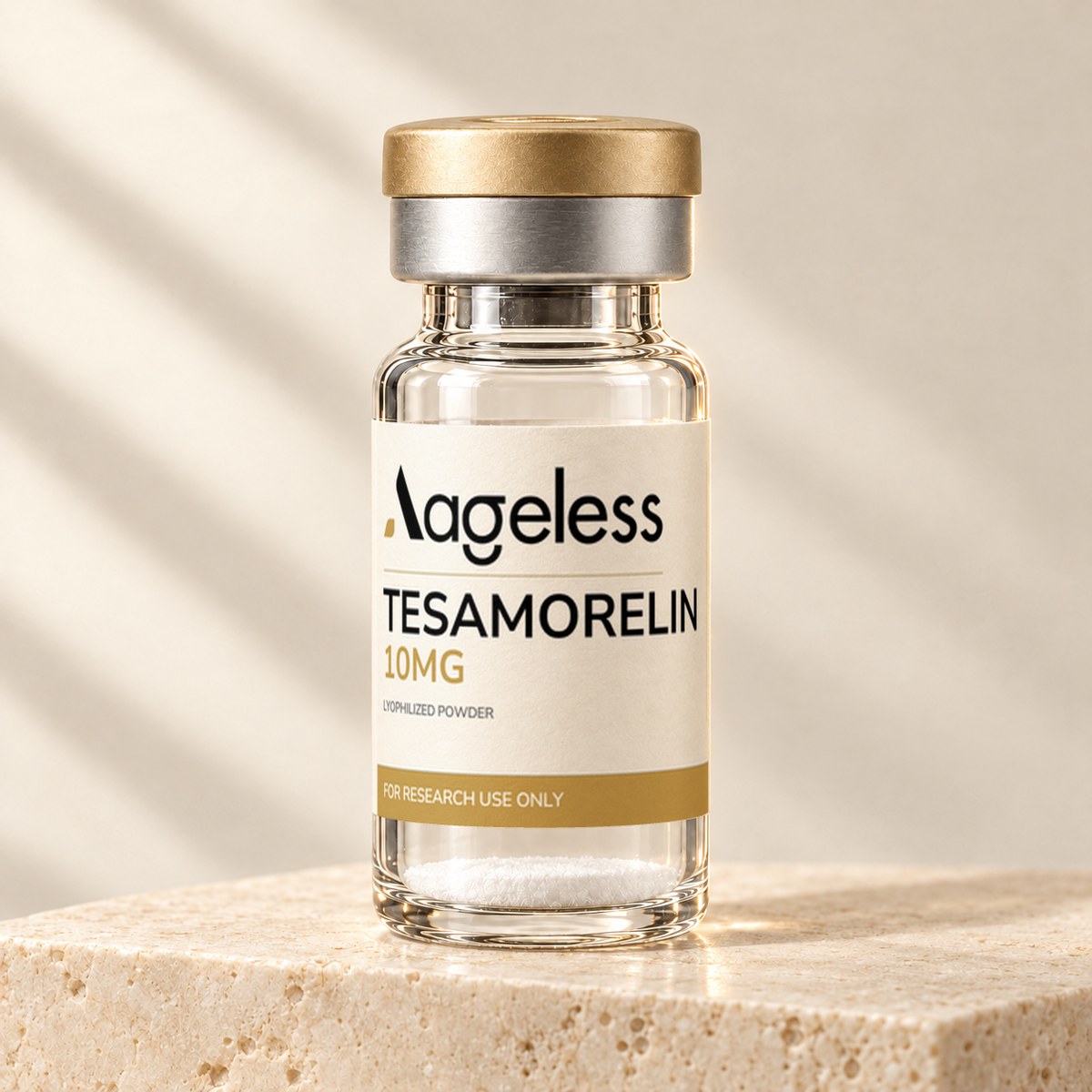
- Tesamorelin is a stabilized GHRH analog with a trans-3-hexenoyl group at the N-terminus.
Ghrelin-Receptor Agonists
Ipamorelin is a pentapeptide (Aib-His-D-2-Nal-D-Phe-Lys-NH2). In the original pharmacology work, it released GH from rat pituitary cells with potency similar to GHRP-6 and was notable for its selectivity: in animal models it did not raise ACTH or cortisol the way earlier GHRPs did (Raun et al., 1998). That selectivity is why it is often used as a reference tool for GHS-R1a studies.
Common Research Designs
- In vitro pituitary cell assays measuring GH release and dose–response.
- Receptor binding and signaling assays (cAMP for GHRH-R; calcium and IP3 for GHS-R1a).
- Animal pharmacology describing release patterns over time.
- Analytical work on stability and degradation of the analogs themselves.
These designs are covered in more depth in Recent Advances in Peptide Research Technology.
Sourcing Checklist for GH-Axis Peptides
- Confirm the exact analog. CJC-1295 with and without DAC are different molecules with very different half-lives. The COA mass should match the stated sequence.
- Check purity and impurity profile. Deletion sequences in a 29-residue peptide can still show up as a single broad peak; ask for the chromatogram.
- Match lot numbers. Keep the COA for every lot used in a study.
See How to Read a Peptide COA and Batch Consistency in Peptide Quality.
Research Compounds in This Area
Ageless Peptides lists these GH-axis research peptides, each with a lot-specific COA from Vanguard Laboratory (ISO/IEC 17025:2017) and a QR code and serial number on every vial:
- Ipamorelin 5mg and Ipamorelin 10mg
- CJC-1295 (no DAC) 10mg
- CJC-1295 (no DAC) 5mg + Ipamorelin 5mg
- Sermorelin 5mg
- Tesamorelin 10mg
Related Reading
- Understanding Research-Use-Only (RUO) Peptides in 2026
- Longevity & Cellular Aging Research with Peptides
- Peptide Storage and Stability
References
- Raun K, et al. Ipamorelin, the first selective growth hormone secretagogue. Eur J Endocrinol. 1998;139(5):552–561.
- Teichman SL, et al. Prolonged stimulation of growth hormone (GH) and insulin-like growth factor I secretion by CJC-1295, a long-acting analog of GH-releasing hormone, in healthy adults. J Clin Endocrinol Metab. 2006.
- The development of growth hormone-releasing hormone analogs: therapeutic advances in cancer, regenerative medicine, and metabolic disorders. Rev Endocr Metab Disord. 2024.
All products sold by Ageless Peptides are for Research Use Only. Not for human or animal consumption. Nothing here describes use in people or animals.